
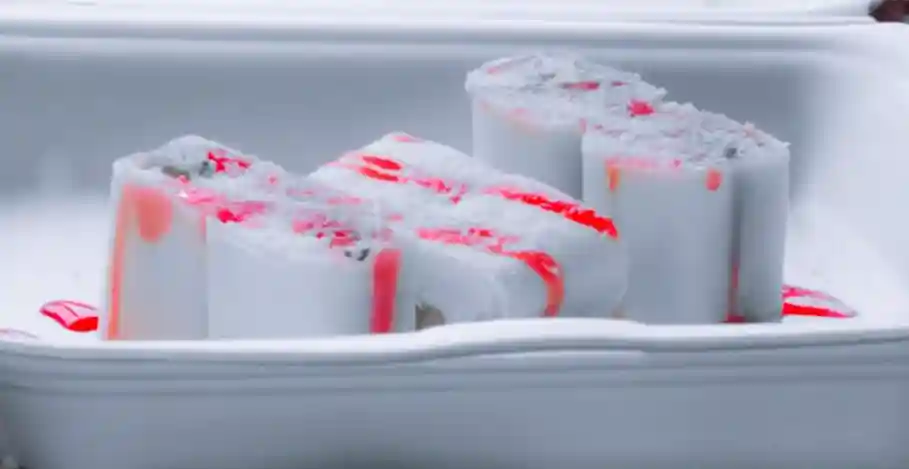
Frozen desserts are loved all around the world for their refreshing taste and creamy texture. From ice cream to sorbet and frozen yogurt, people expect these treats to be smooth, stable, and enjoyable from the first bite to the last. Behind this perfect texture lies an important ingredient known as a frozen dessert stabilizer, which plays a key role in improving quality, consistency, and shelf life. Without it, many frozen products would quickly lose their structure, become icy, or melt unevenly.
Understanding Frozen Desserts and Their Challenges
Frozen desserts may look simple, but they are actually complex mixtures of water, fat, sugar, air, and flavoring. When these ingredients freeze, ice crystals naturally form. If these crystals grow too large, the dessert becomes grainy or icy instead of smooth and creamy.
Another challenge is maintaining stability during storage and transportation. Temperature changes can cause melting and refreezing, which damages texture and reduces quality. This is where the frozen dessert stabilizer becomes essential, helping to control these changes and maintain a consistent product.
What Is a Frozen Dessert Stabilizer?
A frozen dessert stabilizer is a food ingredient or blend of ingredients added to frozen treats to improve texture, consistency, and stability. It usually comes from natural sources such as plant fibers, gums, or starches. Even though it is used in very small amounts, its effect on the final product is significant.
The main purpose of a frozen dessert stabilizer is to bind water and prevent it from forming large ice crystals. It also helps improve viscosity, which means the mixture stays thicker and smoother before and after freezing. As a result, the dessert feels creamier and more enjoyable to eat.
How It Improves Texture and Creaminess
One of the most important roles of a frozen dessert stabilizer is enhancing texture. When ice crystals are controlled, the dessert remains soft and smooth instead of becoming hard or icy. This is especially important for products like ice cream, where creaminess is a key quality factor.
The stabilizer also helps distribute air evenly throughout the mixture. This gives frozen desserts a lighter and more pleasant mouthfeel. Without it, the product may feel dense or uneven, reducing overall enjoyment.
Increasing Shelf Life and Product Stability
Frozen desserts often go through long storage periods before they reach consumers. During this time, temperature fluctuations can affect quality. A frozen dessert stabilizer helps prevent issues such as ice crystal growth, melting, and ingredient separation.
By maintaining stability, it ensures that the dessert keeps its original taste and texture for a longer time. This is beneficial for manufacturers, retailers, and consumers because it reduces waste and improves product reliability.
Supporting Consistency in Production
In large-scale food production, consistency is very important. Every batch of frozen dessert must taste and feel the same. A frozen dessert stabilizer helps achieve this by ensuring that the ingredients remain evenly mixed and stable throughout the production process.
It also improves the efficiency of manufacturing by reducing defects caused by melting, freezing inconsistencies, or ingredient separation. This makes production smoother and more cost-effective for food companies.
Conclusion
A frozen dessert stabilizer plays a vital role in creating high-quality frozen treats that are smooth, creamy, and stable. It helps control ice crystal formation, improves texture, enhances shelf life, and ensures consistency in production. Although it is used in small amounts, its impact is significant in delivering the perfect frozen dessert experience. As consumer expectations for better quality continue to grow, the importance of this ingredient in the food industry will remain strong.